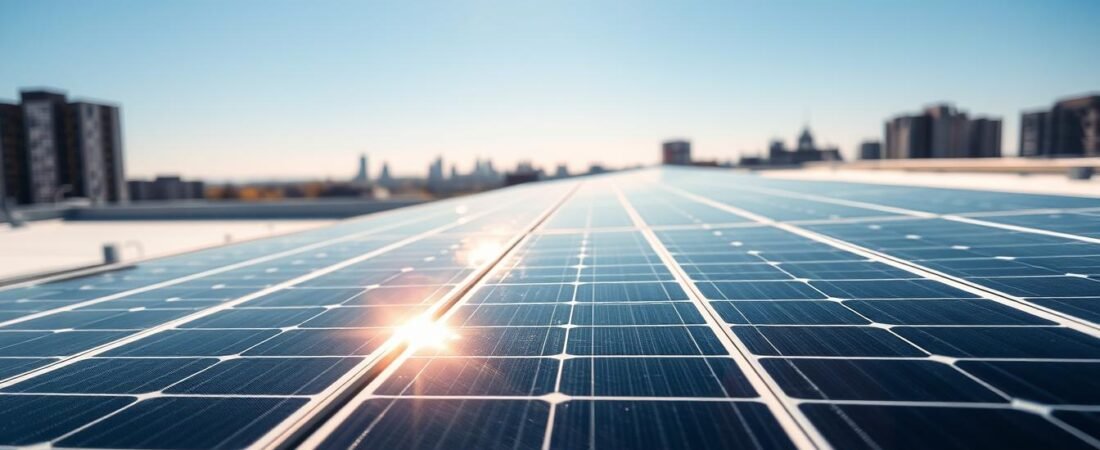
Thinking about adding panels to your home? This guide breaks down the upfront price of equipment so you can judge the total investment before any labor is added. Understanding the solar panel cost without installation helps buyers compare brands, system sizes, and expected savings.
Most homeowners see panels as a large purchase that pays back over decades through lower electricity bills. The final price depends on the size of your roof, the brand you choose, and local incentives or tax credits.
Get multiple quotes from reputable installers to compare equipment rates and warranty terms. Cash purchases avoid loan interest, but financing can work if it matches your budget and projected savings.
Bottom line: tally the full system price, check state incentives, and estimate long‑term savings to decide if buying panels makes sense for your home and budget.
Understanding Solar Panel Costs Without Installation
Understanding equipment pricing first helps homeowners set a clear budget before installers add labor and permits.
The average price of systems today is about $2.58 per watt. That figure gives a baseline for comparing brands and sizes across the market.
Remember to separate equipment expense from total project fees. A solar loan or a power purchase agreement can spread the upfront money over time.
Key factors to check:
- Net metering rules in your state — they affect long‑term electricity savings.
- Available tax credits and incentives that lower the effective price.
- How many modules your home needs based on roof size and usage.
- Get multiple quotes from different installers to compare rates and warranties.
By pricing per watt, you make true apples‑to‑apples comparisons between systems and protect your long‑term savings.
Current Market Trends for Solar Equipment
Equipment prices have moved a lot in recent years, shaped by demand, supply chains, and policy shifts.
The 2021 study from the National Renewable Energy Laboratory provides a baseline for historical price shifts. That research helps homeowners compare long‑term changes in panels and systems across different states.
Historical Price Shifts
Over the last decade, panels became more efficient and prices generally fell. The energy laboratory data show clear steps down in equipment prices as manufacturing scaled.
Still, 2026 saw fluctuations. Global supply chains and higher demand pushed some prices up, which affected local quotes from installers.
Future Market Outlook
Expect more competitive rates and more efficient systems as production improves. Federal incentives and the tax credit remain key to keeping purchase money manageable for homeowners.
- Watch prices: compare quotes from multiple installers.
- Track incentives: state and federal credits affect your net price.
- Plan for savings: better systems lower monthly electricity utility bills over time.
| Trend | Past (2015–2021) | Near term (2024–2026) |
|---|---|---|
| Equipment prices | Steady decline due to scale | Mixed — supply chain strains raised some prices |
| System efficiency | Gradual improvement | Faster gains expected |
| Policy & incentives | Growing support, more credits | Credits remain important for savings |
Breaking Down the Components of a Solar System
Beyond the modules, three main components drive the bulk of what you pay for a home setup.
Solar Modules
Modules (often called panels) supply the power that your home uses. They typically make up less than a third of the total equipment price for a residential system.
Higher quality units cost more up front but can deliver better output and longer warranties. That often equals greater savings on monthly electricity bills over time.
Inverter Technology
Inverters convert direct current from the modules into alternating current for home use. They vary by type and price — string inverters, microinverters, and power optimizers each have pros and cons.
Ask your installer for model names and warranty terms so you can compare durability and replacement expenses.
Racking and Wiring
Racking secures the modules to your roof and affects durability and labor complexity. Wiring and electrical hardware tie the array into your meter and breaker panel.
When you request quotes, insist on itemized breakdowns for panels, racking, and electrical work. Incentives and the federal tax credit can offset the upfront price and make the purchase more attractive to homeowners.
“A transparent quote with component-level pricing helps you choose the right balance of quality and value.”
How System Size Influences Your Total Investment
Bigger systems usually mean a higher upfront bill, but they often bring better unit pricing and larger long‑term savings for homeowners.
Example: a 12 kW system typically runs about $30,505 before incentives. That figure shows how total price scales as size rises.
When you buy more modules, the price per watt tends to fall — similar to bulk discounts on other energy gear. A larger array can offset more of your electricity use and reduce monthly utility bills.
Financing matters. Solar loans let homeowners spread payments and make a bigger system affordable now. Incentives and the federal tax credit can cut the net price significantly.
- Ask your installer for size options and itemized quotes.
- Compare projected savings so you balance upfront price and long‑term returns.
| System Size | Approx. Price (before incentives) | Primary Benefit |
|---|---|---|
| 6 kW | $15,250 | Lower upfront outlay |
| 12 kW | $30,505 | Greater electricity offsets |
| 18 kW | $45,750 | Maximizes long‑term savings |
The Impact of Roof Characteristics on Pricing
Your roof’s layout and condition can change the final price more than the modules themselves. A quick on-site check by an installer shows if the roof can hold the array and how much prep work is needed.
Sun exposure matters a lot. A south-facing roof with little shade needs fewer panels to meet the same energy target. That lowers the total system price and shortens payback time.
Roof Complexity and Support
Complex rooflines, dormers, or skylights raise labor time and may require custom racking. That adds to the final price homeowners see on quotes.
If your home needs an electrical panel upgrade to at least 200 amps, plan for extra work and money. Ask installers to list this in the quote so you compare apples to apples.
- Condition check: replace or repair shingles before mounting.
- Shade trimming: tree work can improve output and reduce the number of modules needed.
- 200-amp rule: many systems require electrical panel capacity upgrades.
“A detailed roof assessment helps homeowners avoid surprise expenses and optimize system size for true savings.”
| Roof Factor | Impact on Price | Homeowner Action |
|---|---|---|
| Orientation & shading | Fewer modules needed with good sun → lower overall price | Trim trees; choose best roof plane |
| Complex roofline | Higher labor and custom racking → higher price | Request itemized labor in quotes |
| Roof condition | Repairs add to upfront expense | Fix shingles before work begins |
| Electrical panel | Upgrade to 200 amps can increase project price | Get a pre-scan from the installer |
For a clear comparison, consult a trusted solar panel pricing guide and get multiple quotes that list roof preparation and equipment separately.
Regional Variations in Solar Pricing
Prices for home systems shift a lot from state to state because local fees, permits, and market competition differ.
Labor and soft fees often make the biggest difference. In some states, permitting and interconnection costs add hundreds or even thousands to the final price.
Sunlight and roof orientation change the system size you need. More sun usually means fewer panels and faster savings on electricity bills.
State incentives matter. The federal tax credit helps nationwide, but many states offer rebates or extra credits that cut the net price further.
Compare local quotes from installers who know state rules and permit timelines. Local pros can spot issues that affect the final price and timeline.
- Equipment prices are fairly consistent; labor and soft costs vary.
- Utility rates affect payback—higher electricity prices speed ROI.
- Research your state market to estimate likely savings and loan terms.
“Get multiple local quotes to see how regional factors change the final price.”
Calculating Your Estimated Solar Costs
Start by estimating your home’s daily power use to get a realistic price range. That single figure guides how large a system you need and how much equipment will run. Use recent utility statements to find average monthly electricity use.
Using Online Calculators
Many online tools ask for your ZIP code and monthly bill. They factor local sun, utility rates, and incentives to give a quick price range. Run at least two calculators to compare results.
Manual Estimation Methods
To estimate by hand, divide your monthly kWh by 30 for daily use. Multiply daily kWh by 365 and then by a rough watts-per-kWh conversion to size the system.
- Run scenarios: model high and low price estimates to see the range.
- Financing impact: compare paying cash versus a solar loan to measure total money paid and monthly payments.
- Adjustments: subtract federal tax credit and local incentives to find net price.
“Get multiple quotes from installers to verify your manual math and fine-tune the system size for your roof and usage.”
Comparing Price Per Watt Versus Cost Per Kilowatt Hour
Two simple metrics help you compare offers: price per watt and cost per kilowatt-hour.
Price per watt is the standard way to measure equipment and system quotes. It lets you compare different brands and sizes on equal footing. Ask sellers to show this number clearly in the quote.
Cost per kWh shows the actual value of the energy your home will get over time. It converts upfront price and expected output into a per‑unit energy rate you can compare to your utility bills.
The size of your system and the efficiency of your panels both change these figures. Bigger systems often lower the price per watt, while higher efficiency reduces the cost per kWh.
- Tip: compare cost per kWh to current utility rates to estimate payback.
- Incentives: federal tax and local rebates lower the effective kWh rate.
“Think of the total system as a one-time investment; cost per kWh is the ongoing value you buy.”
Financial Incentives and Tax Credits
Before you sign a quote, learn how tax breaks and rebates change the true price you’ll pay over time.
Federal help: the federal tax credit currently lets homeowners deduct 30% of the equipment and installation price from their federal income taxes.
Local rebates can stack with the federal credit. Many states and utilities offer cash rebates, performance-based incentives, or low-interest programs that lower the out-of-pocket price for home systems.
How incentives affect your plan
- The maximum tax benefit depends on your system size and the total installation expense.
- Net metering policies give credits for excess electricity your panels send back to the utility grid.
- Combine state rebates with the federal credit to cut the net price and shorten payback time.
Talk with your installer to verify eligibility and paperwork. A clear, itemized quote plus incentive guidance can increase your long-term savings and make going solar a smarter financial choice.
“Understanding the tax credit and local rebates is a crucial step in making your home system a financially sound investment.”
Evaluating Cash Purchases Versus Financing Options
Deciding how to pay for a home array shapes both your monthly budget and long‑term returns. A cash purchase usually gives the best long‑term savings because it removes interest and dealer fees.
Loans spread payments and make a larger system affordable today. But interest raises the total you pay over time, so compare annual percentage rates and loan terms carefully.
A power purchase agreement lets you buy energy instead of owning modules. That can lower upfront spending, but you often miss out on the federal tax credit and some incentives.
- Cash: lowest total outlay; best for maximizing long‑term energy savings.
- Loan: pay over time; increases total cost but improves monthly affordability.
- PPA: pay for power produced; limited eligibility for tax benefits.
“Ask your installer for quotes showing the total cost difference between paying upfront and financing the system.”
| Option | Upfront Payment | Long‑Term Savings |
|---|---|---|
| Cash purchase | High | Highest — no interest; eligible for tax credit |
| Solar loans | Low to moderate | Good — depends on interest rate; eligible for tax credit |
| Power purchase agreement | Very low | Lower — not eligible for tax credit in most cases |
Long Term Savings and Return on Investment
Payback for a residential array often lands near the ten-year mark, after which power generation becomes a clear net gain. Over the 25-year warranty life, the return is driven by the electricity savings you accumulate.
Key drivers of ROI:
- Daily energy replaced by the system lowers monthly bills and grows long-term savings.
- Net metering lets you trade excess power with the utility and improves yearly returns.
- The federal tax credit reduces upfront cost and shortens payback time.
Higher-quality panels and careful sizing boost production and cut maintenance, which increases lifetime value. Your total savings depend on household usage, system size, and the incentives you qualify for in your state.
“Most homeowners find their system pays for itself within about 10 years; the decades after are largely savings.”
| Factor | Effect on ROI | Action |
|---|---|---|
| System size | Bigger arrays raise upfront but lower per‑unit energy cost | Match size to usage; check future needs |
| Net metering | Improves annual credits and cash flow | Confirm local utility rules |
| Incentives & tax credit | Lower net price and shorten payback | Claim eligible rebates and file tax forms |
Hidden Expenses to Consider
A clear equipment quote can still miss important extras that raise the final tally.
Common add-ons: electrical panel upgrades and roof repairs often appear after a site visit. These items can move the total cost higher than the initial estimate.
The National Renewable Energy Laboratory and the renewable energy laboratory note that soft fees — permitting, inspections, and interconnection — add to system costs. Ask your installer for itemized fees.
Watch for dealer fees if you take a solar loan. These charges can be folded into the principal and raise payments over time.
- Tree removal to reduce shading and protect electricity output.
- Extra charges for complex roof shapes or steep pitches.
- Battery backup or added equipment required for larger system size.
“Get a transparent, line‑by‑line quote so you see every potential charge.”
| Hidden Item | Typical Impact | How to Verify |
|---|---|---|
| Electrical panel upgrade | $1,000–$3,500 | Request pre‑scan report |
| Permits & inspections | $200–$1,000 | Ask for permit breakdown |
| Tree trimming / removal | $200–$2,000 | Get contractor estimates |
| Battery backup | $5,000–$15,000 | Compare battery options |
Conclusion
In short, invest wisely, and you can turn a one-time purchase into years of savings and energy independence. Compare offers, check warranties, and model long-term returns before you commit.
Renewable energy from a home array helps control monthly bills and reduces reliance on utilities. Factor incentives and tax credits into your numbers to see the true net price and payoff timeline.
Get itemized quotes from several pros so you can compare equipment, labor, and expected output. Choose the financing route that fits your budget—cash or a loan—while keeping long-term savings in mind.
With clear research and multiple quotes, you’ll be ready to move forward confidently with your home energy project and avoid surprises at the time of installation.
FAQ
What are typical equipment prices for a residential solar system excluding installation?
How does system size change the amount I’ll pay for components?
Which module types influence the price most?
What role does inverter technology play in equipment pricing?
How much should I budget for racking, wiring, and other mounting hardware?
Do roof characteristics affect equipment choices and prices?
How do regional markets change equipment prices?
Can I estimate equipment costs using online calculators?
What manual method helps estimate parts expense?
FAQ
What are typical equipment prices for a residential solar system excluding installation?
Equipment prices vary by system size and brand. A small 3–4 kW system may range from about ,000 to ,000 for modules and an inverter. Larger 6–8 kW arrays generally cost more, often ,000–,000 for high-quality components. Add racking, wiring, and balance-of-system parts when estimating total parts expense.
How does system size change the amount I’ll pay for components?
Larger systems require more modules and a bigger inverter, so parts scale roughly with kilowatt capacity. Per-unit pricing can fall slightly for bigger systems because of volume discounts, but total equipment spend rises with capacity. Match size to your household’s electricity use and roof space for best value.
Which module types influence the price most?
Monocrystalline modules typically cost more than polycrystalline or thin-film because they offer higher efficiency and longer warranties. Premium-brand modules with higher efficiency and better degradation rates carry a premium. Balance the upfront price against expected output and warranty length.
What role does inverter technology play in equipment pricing?
String inverters are usually less expensive than microinverters or power optimizers. Microinverters add per-panel cost but improve performance on shaded or complex roofs. Hybrid inverters that support battery backup cost more but enable energy storage integration later.
How much should I budget for racking, wiring, and other mounting hardware?
Racking and electrical components typically account for 10%–20% of the parts bill. Roof type (tile, metal, or asphalt) and mounting method (flush mount vs. ballasted) affect price. Include grounding, conduit, combiners, and conduit fittings in your parts estimate.
Do roof characteristics affect equipment choices and prices?
Yes. Complex roofs, steep pitches, or frequent shading may need specialized mounts, extra hardware, or module-level power electronics, raising parts cost. A simple, south-facing roof reduces the need for advanced hardware and can lower component expenses.
How do regional markets change equipment prices?
Local demand, shipping distance, state regulations, and distributor networks affect equipment pricing. Coastal or remote areas sometimes see higher parts prices due to logistics. Check multiple suppliers and local vendors to find competitive equipment rates.
Can I estimate equipment costs using online calculators?
Yes. Reputable calculators from the National Renewable Energy Laboratory (NREL), EnergySage, or installer sites let you input location, usage, and system size to estimate parts pricing. Use those results as a starting point and get multiple vendor quotes for comparison.
What manual method helps estimate parts expense?
Multiply desired system size (kW) by an estimated parts price per watt. For example, use
FAQ
What are typical equipment prices for a residential solar system excluding installation?
Equipment prices vary by system size and brand. A small 3–4 kW system may range from about $3,000 to $6,000 for modules and an inverter. Larger 6–8 kW arrays generally cost more, often $6,000–$12,000 for high-quality components. Add racking, wiring, and balance-of-system parts when estimating total parts expense.
How does system size change the amount I’ll pay for components?
Larger systems require more modules and a bigger inverter, so parts scale roughly with kilowatt capacity. Per-unit pricing can fall slightly for bigger systems because of volume discounts, but total equipment spend rises with capacity. Match size to your household’s electricity use and roof space for best value.
Which module types influence the price most?
Monocrystalline modules typically cost more than polycrystalline or thin-film because they offer higher efficiency and longer warranties. Premium-brand modules with higher efficiency and better degradation rates carry a premium. Balance the upfront price against expected output and warranty length.
What role does inverter technology play in equipment pricing?
String inverters are usually less expensive than microinverters or power optimizers. Microinverters add per-panel cost but improve performance on shaded or complex roofs. Hybrid inverters that support battery backup cost more but enable energy storage integration later.
How much should I budget for racking, wiring, and other mounting hardware?
Racking and electrical components typically account for 10%–20% of the parts bill. Roof type (tile, metal, or asphalt) and mounting method (flush mount vs. ballasted) affect price. Include grounding, conduit, combiners, and conduit fittings in your parts estimate.
Do roof characteristics affect equipment choices and prices?
Yes. Complex roofs, steep pitches, or frequent shading may need specialized mounts, extra hardware, or module-level power electronics, raising parts cost. A simple, south-facing roof reduces the need for advanced hardware and can lower component expenses.
How do regional markets change equipment prices?
Local demand, shipping distance, state regulations, and distributor networks affect equipment pricing. Coastal or remote areas sometimes see higher parts prices due to logistics. Check multiple suppliers and local vendors to find competitive equipment rates.
Can I estimate equipment costs using online calculators?
Yes. Reputable calculators from the National Renewable Energy Laboratory (NREL), EnergySage, or installer sites let you input location, usage, and system size to estimate parts pricing. Use those results as a starting point and get multiple vendor quotes for comparison.
What manual method helps estimate parts expense?
Multiply desired system size (kW) by an estimated parts price per watt. For example, use $0.80–$1.80 per watt depending on module quality and inverter choice. Then add a percentage for racking and electrical balance-of-system items to reach a total equipment estimate.
Should I compare price-per-watt and levelized cost per kilowatt-hour when choosing components?
Yes. Price-per-watt is useful for upfront comparisons, but cost per kWh accounts for production, efficiency, and degradation over time. A slightly higher initial price can be worthwhile if panels produce more energy and degrade less over decades.
What federal incentives or rebates affect the overall purchase decision for equipment?
The federal Investment Tax Credit (ITC) can reduce your federal tax liability when you purchase a system outright and claim it on your tax return. Some states and utilities also offer rebates or performance-based incentives that lower net equipment expense. Verify eligibility and current program rules before buying.
How do financing choices change equipment purchase plans?
Paying cash reduces total interest and often yields the best long-term return. Loans let homeowners spread equipment payments and still claim tax incentives, but interest adds to lifetime cost. Lease or power purchase agreements shift equipment ownership to a third party and change incentive access.
What long-term savings should I expect from higher-quality components?
Higher-quality modules and inverters often have longer warranties and lower degradation, producing more energy over time. That increases lifetime savings and improves payback periods. Factor warranty length and expected annual production into ROI estimates.
What hidden equipment-related expenses should I watch for?
Don’t overlook shipping fees, custom flashing for certain roof types, upgrades to electrical panels, rapid shutdown devices, and permitting fees. These add-ons can raise the parts bill beyond the quoted module and inverter prices, so ask suppliers for a full line-item estimate.
Where can I find reliable pricing data and vendor quotes?
Use resources from the National Renewable Energy Laboratory (NREL), state energy offices, and comparison platforms like EnergySage. Then request itemized quotes from at least three certified installers or equipment suppliers to compare module models, inverter brands, and warranty terms.
FAQ
What are typical equipment prices for a residential solar system excluding installation?
Equipment prices vary by system size and brand. A small 3–4 kW system may range from about ,000 to ,000 for modules and an inverter. Larger 6–8 kW arrays generally cost more, often ,000–,000 for high-quality components. Add racking, wiring, and balance-of-system parts when estimating total parts expense.
How does system size change the amount I’ll pay for components?
Larger systems require more modules and a bigger inverter, so parts scale roughly with kilowatt capacity. Per-unit pricing can fall slightly for bigger systems because of volume discounts, but total equipment spend rises with capacity. Match size to your household’s electricity use and roof space for best value.
Which module types influence the price most?
Monocrystalline modules typically cost more than polycrystalline or thin-film because they offer higher efficiency and longer warranties. Premium-brand modules with higher efficiency and better degradation rates carry a premium. Balance the upfront price against expected output and warranty length.
What role does inverter technology play in equipment pricing?
String inverters are usually less expensive than microinverters or power optimizers. Microinverters add per-panel cost but improve performance on shaded or complex roofs. Hybrid inverters that support battery backup cost more but enable energy storage integration later.
How much should I budget for racking, wiring, and other mounting hardware?
Racking and electrical components typically account for 10%–20% of the parts bill. Roof type (tile, metal, or asphalt) and mounting method (flush mount vs. ballasted) affect price. Include grounding, conduit, combiners, and conduit fittings in your parts estimate.
Do roof characteristics affect equipment choices and prices?
Yes. Complex roofs, steep pitches, or frequent shading may need specialized mounts, extra hardware, or module-level power electronics, raising parts cost. A simple, south-facing roof reduces the need for advanced hardware and can lower component expenses.
How do regional markets change equipment prices?
Local demand, shipping distance, state regulations, and distributor networks affect equipment pricing. Coastal or remote areas sometimes see higher parts prices due to logistics. Check multiple suppliers and local vendors to find competitive equipment rates.
Can I estimate equipment costs using online calculators?
Yes. Reputable calculators from the National Renewable Energy Laboratory (NREL), EnergySage, or installer sites let you input location, usage, and system size to estimate parts pricing. Use those results as a starting point and get multiple vendor quotes for comparison.
What manual method helps estimate parts expense?
Multiply desired system size (kW) by an estimated parts price per watt. For example, use
FAQ
What are typical equipment prices for a residential solar system excluding installation?
Equipment prices vary by system size and brand. A small 3–4 kW system may range from about $3,000 to $6,000 for modules and an inverter. Larger 6–8 kW arrays generally cost more, often $6,000–$12,000 for high-quality components. Add racking, wiring, and balance-of-system parts when estimating total parts expense.
How does system size change the amount I’ll pay for components?
Larger systems require more modules and a bigger inverter, so parts scale roughly with kilowatt capacity. Per-unit pricing can fall slightly for bigger systems because of volume discounts, but total equipment spend rises with capacity. Match size to your household’s electricity use and roof space for best value.
Which module types influence the price most?
Monocrystalline modules typically cost more than polycrystalline or thin-film because they offer higher efficiency and longer warranties. Premium-brand modules with higher efficiency and better degradation rates carry a premium. Balance the upfront price against expected output and warranty length.
What role does inverter technology play in equipment pricing?
String inverters are usually less expensive than microinverters or power optimizers. Microinverters add per-panel cost but improve performance on shaded or complex roofs. Hybrid inverters that support battery backup cost more but enable energy storage integration later.
How much should I budget for racking, wiring, and other mounting hardware?
Racking and electrical components typically account for 10%–20% of the parts bill. Roof type (tile, metal, or asphalt) and mounting method (flush mount vs. ballasted) affect price. Include grounding, conduit, combiners, and conduit fittings in your parts estimate.
Do roof characteristics affect equipment choices and prices?
Yes. Complex roofs, steep pitches, or frequent shading may need specialized mounts, extra hardware, or module-level power electronics, raising parts cost. A simple, south-facing roof reduces the need for advanced hardware and can lower component expenses.
How do regional markets change equipment prices?
Local demand, shipping distance, state regulations, and distributor networks affect equipment pricing. Coastal or remote areas sometimes see higher parts prices due to logistics. Check multiple suppliers and local vendors to find competitive equipment rates.
Can I estimate equipment costs using online calculators?
Yes. Reputable calculators from the National Renewable Energy Laboratory (NREL), EnergySage, or installer sites let you input location, usage, and system size to estimate parts pricing. Use those results as a starting point and get multiple vendor quotes for comparison.
What manual method helps estimate parts expense?
Multiply desired system size (kW) by an estimated parts price per watt. For example, use $0.80–$1.80 per watt depending on module quality and inverter choice. Then add a percentage for racking and electrical balance-of-system items to reach a total equipment estimate.
Should I compare price-per-watt and levelized cost per kilowatt-hour when choosing components?
Yes. Price-per-watt is useful for upfront comparisons, but cost per kWh accounts for production, efficiency, and degradation over time. A slightly higher initial price can be worthwhile if panels produce more energy and degrade less over decades.
What federal incentives or rebates affect the overall purchase decision for equipment?
The federal Investment Tax Credit (ITC) can reduce your federal tax liability when you purchase a system outright and claim it on your tax return. Some states and utilities also offer rebates or performance-based incentives that lower net equipment expense. Verify eligibility and current program rules before buying.
How do financing choices change equipment purchase plans?
Paying cash reduces total interest and often yields the best long-term return. Loans let homeowners spread equipment payments and still claim tax incentives, but interest adds to lifetime cost. Lease or power purchase agreements shift equipment ownership to a third party and change incentive access.
What long-term savings should I expect from higher-quality components?
Higher-quality modules and inverters often have longer warranties and lower degradation, producing more energy over time. That increases lifetime savings and improves payback periods. Factor warranty length and expected annual production into ROI estimates.
What hidden equipment-related expenses should I watch for?
Don’t overlook shipping fees, custom flashing for certain roof types, upgrades to electrical panels, rapid shutdown devices, and permitting fees. These add-ons can raise the parts bill beyond the quoted module and inverter prices, so ask suppliers for a full line-item estimate.
Where can I find reliable pricing data and vendor quotes?
Use resources from the National Renewable Energy Laboratory (NREL), state energy offices, and comparison platforms like EnergySage. Then request itemized quotes from at least three certified installers or equipment suppliers to compare module models, inverter brands, and warranty terms.
.80–
FAQ
What are typical equipment prices for a residential solar system excluding installation?
Equipment prices vary by system size and brand. A small 3–4 kW system may range from about $3,000 to $6,000 for modules and an inverter. Larger 6–8 kW arrays generally cost more, often $6,000–$12,000 for high-quality components. Add racking, wiring, and balance-of-system parts when estimating total parts expense.
How does system size change the amount I’ll pay for components?
Larger systems require more modules and a bigger inverter, so parts scale roughly with kilowatt capacity. Per-unit pricing can fall slightly for bigger systems because of volume discounts, but total equipment spend rises with capacity. Match size to your household’s electricity use and roof space for best value.
Which module types influence the price most?
Monocrystalline modules typically cost more than polycrystalline or thin-film because they offer higher efficiency and longer warranties. Premium-brand modules with higher efficiency and better degradation rates carry a premium. Balance the upfront price against expected output and warranty length.
What role does inverter technology play in equipment pricing?
String inverters are usually less expensive than microinverters or power optimizers. Microinverters add per-panel cost but improve performance on shaded or complex roofs. Hybrid inverters that support battery backup cost more but enable energy storage integration later.
How much should I budget for racking, wiring, and other mounting hardware?
Racking and electrical components typically account for 10%–20% of the parts bill. Roof type (tile, metal, or asphalt) and mounting method (flush mount vs. ballasted) affect price. Include grounding, conduit, combiners, and conduit fittings in your parts estimate.
Do roof characteristics affect equipment choices and prices?
Yes. Complex roofs, steep pitches, or frequent shading may need specialized mounts, extra hardware, or module-level power electronics, raising parts cost. A simple, south-facing roof reduces the need for advanced hardware and can lower component expenses.
How do regional markets change equipment prices?
Local demand, shipping distance, state regulations, and distributor networks affect equipment pricing. Coastal or remote areas sometimes see higher parts prices due to logistics. Check multiple suppliers and local vendors to find competitive equipment rates.
Can I estimate equipment costs using online calculators?
Yes. Reputable calculators from the National Renewable Energy Laboratory (NREL), EnergySage, or installer sites let you input location, usage, and system size to estimate parts pricing. Use those results as a starting point and get multiple vendor quotes for comparison.
What manual method helps estimate parts expense?
Multiply desired system size (kW) by an estimated parts price per watt. For example, use $0.80–$1.80 per watt depending on module quality and inverter choice. Then add a percentage for racking and electrical balance-of-system items to reach a total equipment estimate.
Should I compare price-per-watt and levelized cost per kilowatt-hour when choosing components?
Yes. Price-per-watt is useful for upfront comparisons, but cost per kWh accounts for production, efficiency, and degradation over time. A slightly higher initial price can be worthwhile if panels produce more energy and degrade less over decades.
What federal incentives or rebates affect the overall purchase decision for equipment?
The federal Investment Tax Credit (ITC) can reduce your federal tax liability when you purchase a system outright and claim it on your tax return. Some states and utilities also offer rebates or performance-based incentives that lower net equipment expense. Verify eligibility and current program rules before buying.
How do financing choices change equipment purchase plans?
Paying cash reduces total interest and often yields the best long-term return. Loans let homeowners spread equipment payments and still claim tax incentives, but interest adds to lifetime cost. Lease or power purchase agreements shift equipment ownership to a third party and change incentive access.
What long-term savings should I expect from higher-quality components?
Higher-quality modules and inverters often have longer warranties and lower degradation, producing more energy over time. That increases lifetime savings and improves payback periods. Factor warranty length and expected annual production into ROI estimates.
What hidden equipment-related expenses should I watch for?
Don’t overlook shipping fees, custom flashing for certain roof types, upgrades to electrical panels, rapid shutdown devices, and permitting fees. These add-ons can raise the parts bill beyond the quoted module and inverter prices, so ask suppliers for a full line-item estimate.
Where can I find reliable pricing data and vendor quotes?
Use resources from the National Renewable Energy Laboratory (NREL), state energy offices, and comparison platforms like EnergySage. Then request itemized quotes from at least three certified installers or equipment suppliers to compare module models, inverter brands, and warranty terms.
.80 per watt depending on module quality and inverter choice. Then add a percentage for racking and electrical balance-of-system items to reach a total equipment estimate.
Should I compare price-per-watt and levelized cost per kilowatt-hour when choosing components?
Yes. Price-per-watt is useful for upfront comparisons, but cost per kWh accounts for production, efficiency, and degradation over time. A slightly higher initial price can be worthwhile if panels produce more energy and degrade less over decades.
What federal incentives or rebates affect the overall purchase decision for equipment?
The federal Investment Tax Credit (ITC) can reduce your federal tax liability when you purchase a system outright and claim it on your tax return. Some states and utilities also offer rebates or performance-based incentives that lower net equipment expense. Verify eligibility and current program rules before buying.
How do financing choices change equipment purchase plans?
Paying cash reduces total interest and often yields the best long-term return. Loans let homeowners spread equipment payments and still claim tax incentives, but interest adds to lifetime cost. Lease or power purchase agreements shift equipment ownership to a third party and change incentive access.
What long-term savings should I expect from higher-quality components?
Higher-quality modules and inverters often have longer warranties and lower degradation, producing more energy over time. That increases lifetime savings and improves payback periods. Factor warranty length and expected annual production into ROI estimates.
What hidden equipment-related expenses should I watch for?
Don’t overlook shipping fees, custom flashing for certain roof types, upgrades to electrical panels, rapid shutdown devices, and permitting fees. These add-ons can raise the parts bill beyond the quoted module and inverter prices, so ask suppliers for a full line-item estimate.
Where can I find reliable pricing data and vendor quotes?
Use resources from the National Renewable Energy Laboratory (NREL), state energy offices, and comparison platforms like EnergySage. Then request itemized quotes from at least three certified installers or equipment suppliers to compare module models, inverter brands, and warranty terms.